






Delinquency Doesn't Happen Overnight
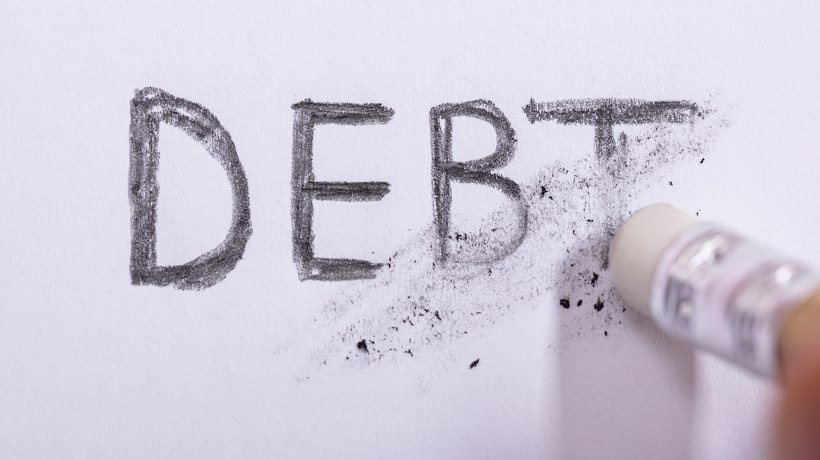
Delinquency Doesn't Happen Overnight
Most people don't wake up one morning and decide to miss a loan payment. In reality, delinquency often develops gradually. A few unexpected expenses, a temporary loss of income, higher living costs, or increased reliance on credit can create financial pressure that builds over time.
Today, more Americans are carrying debt than they were just a few years ago, while many continue to face higher costs for housing, food, insurance, and transportation. As a result, delinquency rates for certain types of loans have increased nationwide. Understanding how people end up behind on payments is one of the best ways to avoid it.
The Slow Build
Financial challenges rarely stem from a single event. More often, they begin with a series of small decisions or circumstances that seem manageable at the time. Maybe a credit card balance grows after a vacation. A car repair wipes out a savings account. A few months later, insurance premiums increase. Then an appliance breaks. Suddenly, a budget that once worked comfortably starts feeling tight.
Many people continue making payments during this period by shifting balances, using savings, or relying on additional credit. Eventually, however, those options may become harder to sustain. The first missed payment is often not the beginning of the problem. It's simply the first visible sign that financial stress has been building for some time. Because remember, delinquency doesn't happen overnight.
Warning Signs to Watch For
Long before a loan becomes delinquent, there are usually indicators that a household may be under financial strain. Some common warning signs include:
- Relying on credit cards to cover routine expenses
- Carrying balances month after month
- Frequently moving money between accounts to cover bills
- Having little or no emergency savings
- Making only minimum payments on revolving debt
- Feeling anxious when bills arrive
- Avoiding reviewing account balances
Recognizing these signs early creates opportunities to make adjustments before larger challenges emerge.
Why Financial Resilience Matters
One of the strongest protections against delinquency is financial flexibility. That doesn't necessarily mean having a large amount of money saved. It means creating enough room in a budget to absorb life's inevitable surprises. Building resilience can include:
- Maintaining an emergency fund
- Reviewing recurring expenses regularly
- Paying down high-interest debt
- Monitoring credit reports
- Creating a realistic spending plan
- Seeking guidance before problems become urgent
Small steps taken consistently often have a greater impact than dramatic financial changes.
The Value of Asking for Help Early
One of the most common mistakes people make during financial hardship is waiting too long to seek assistance. Many individuals hope circumstances will improve on their own. Sometimes they do. But when challenges persist, early action typically leads to more available options. Whether the concern is debt management, budgeting, credit improvement, or simply understanding available resources, having a conversation can help bring clarity and reduce stress.
A Community Built on Financial Wellness
At University Credit Union, we understand that financial lives are rarely linear. Careers change. Families grow. Unexpected expenses occur. Our goal is not simply to provide financial products. It's to help members build confidence and make informed financial decisions throughout every stage of life. By understanding how delinquency develops and recognizing warning signs early, members can take proactive steps to strengthen their financial future and navigate challenges before they become larger obstacles, as delinquency doesn't happen overnight.
Financial wellness isn't about being perfect. It's about being prepared, informed, and willing to take action when life doesn't go exactly as planned. For more information and get started tackling debt, visit our YouTube channel for some short, informational videos and/or view additional tools and tips on our website.
Leaving University Credit Union Website
University Credit Union offers membership to employees, students, alumni, and direct family of UCLA, Pepperdine University, Loyola Marymount University, Saint Mary's College, UC Davis, UC San Diego, Georgia Tech, Abilene Christian University, Mount St. Mary's University, Chabot College and Las Positas College, West Coast Conference Universities, Western Athletic Conference Universities, and other universities throughout California. UCU offers a variety of products and services including checking accounts, credit cards, home mortgages, auto loans, personal loans, commercial loans, insurance, investments, as well as digital banking. Click here for full eligibility and membership options.