






Mastering DEBT MANAGEMENT: Contrasting Debt Settlement and Debt Management
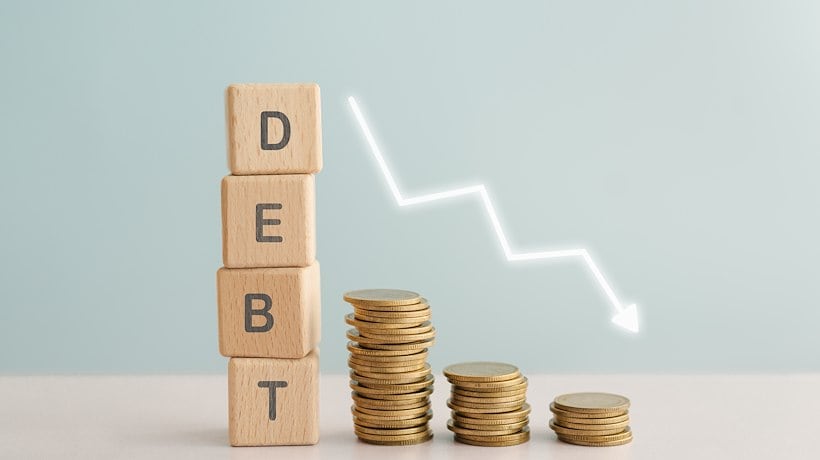
Understanding the Difference Between Debt Settlement and Debt Management
Debt can feel overwhelming. Many individuals face financial challenges that lead to debt accumulation. It is crucial to know your options when addressing these debts. Two common strategies are debt settlement and debt management. Understanding the differences between the two can help you make informed choices for your financial future.
What is Debt Settlement?
Debt settlement is a negotiation process. You or a third party negotiate with creditors to reduce the total amount owed. The goal is to pay a lump sum that is less than the total debt. This can provide significant financial relief.
Debt settlement usually involves:
- Negotiation: You or a professional negotiator contact creditors.
- Lump-Sum Payment: You must have a sum ready to pay.
- Reduced Debt: The creditor agrees to accept less than owed.
It is important to note that debt settlement can have consequences. Your credit score may suffer. Settled debts appear on your credit report, indicating you did not pay the full amount. This can affect your ability to secure loans or credit in the future.
What is Debt Management?
Debt management focuses on creating a plan to pay off debts over time. This often involves working with a credit counseling agency. They assist in creating a budget and negotiating with creditors for lower interest rates. The goal is to make payments more manageable.
Key aspects of debt management include:
- Budget Creation: You develop a plan to manage monthly expenses.
- Negotiation for Better Rates: Credit counselors may negotiate for lower interest rates.
- Consistent Payments: You agree to a repayment schedule that fits your budget.
Debt management helps improve your credit score over time. By consistently making payments, you show creditors your reliability. It is a proactive approach to handling debt without settling for less.
Comparing Debt Settlement and Debt Management
Understanding the differences will guide you in making the right choice. Here are some key points of comparison between debt settlement and debt management:
Impact on Credit Score:
- Debt settlement can harm your credit score.
- Debt management tends to improve your credit score over time.
Payment Structure:
- Debt settlement involves a lump-sum payment.
- Debt management focuses on regular monthly payments.
Negotiation Process:
- Debt settlement requires negotiating for lower amounts owed.
- Debt management emphasizes creating a budget and negotiating better terms.
Long-Term Effects:
- Debt settlement may lead to tax implications on forgiven debt.
- Debt management generally leads to long-term financial health.
Professional Assistance:
- Debt settlement often involves hiring a professional.
- Debt management typically involves working with a credit counseling agency.
Choosing between the two depends on your financial situation and goals. Consider your current debt levels, monthly income, and financial aspirations.
Considerations When Choosing
When deciding between debt settlement and debt management, keep these factors in mind:
- Your Financial Situation: Assess your total debt and monthly income.
- Your Goals: Determine whether you want a quick resolution or a long-term plan.
- Credit Impact: Understand how each option affects your credit score.
- Emotional Stress: Recognize how each option impacts your mental well-being.
- Long-Term Financial Health: Think about where you want to be in the future.
Taking the time to weigh these considerations will help you choose the right path.
Products and Services Offered by University Credit Union
University Credit Union offers various products and services tailored to help you manage your financial journey. Whether you are looking for a loan, a credit card, or financial advice, they have options to assist you. Here are some features available:
- Credit Counseling: Get guidance on managing your debts effectively.
- Personal Loans: Access funds for emergencies or debt consolidation.
- Budgeting Tools: Use resources to create effective budgets.
- Low-Interest Credit Cards: Find credit options that suit your needs.
- Financial Education: Attend workshops or watch videos to learn more about debt management.
These resources aim to empower you to take control of your financial situation. With the right support, you can work towards a debt-free future.
By understanding the differences between debt settlement and debt management, you can make informed decisions. Your financial health is crucial, and knowing your options helps you achieve your goals. With the right approach and support, you can manage your debt effectively.
Leaving University Credit Union Website
University Credit Union offers membership to employees, students, alumni, and direct family of UCLA, Pepperdine University, Loyola Marymount University, Saint Mary's College, UC Davis, UC San Diego, Georgia Tech, Abilene Christian University, Mount St. Mary's University, Chabot College and Las Positas College, West Coast Conference Universities, Western Athletic Conference Universities, and other universities throughout California. UCU offers a variety of products and services including checking accounts, credit cards, home mortgages, auto loans, personal loans, commercial loans, insurance, investments, as well as digital banking. Click here for full eligibility and membership options.