






Staying Safe in the Age of AI

How Credit Union Members Can Outsmart AI Fraud
Artificial intelligence (AI) has brought powerful innovations to everyday life, but it has also armed scammers with new tools to deceive even the most vigilant consumers. Whether you're opening your first checking account or managing retirement funds, understanding these risks is essential to protecting your financial future. Fraudsters today use AI to impersonate loved ones, clone voices, create deepfake videos, and craft emails or texts that look identical to messages from your credit union. Scams that once seemed obvious can now appear more credible, making it more important than ever to stay alert. Below, we break down the latest AI-driven threats and share practical tips every member can use to stay safe.
The Rising Threat of AI-Enhanced Fraud
- Voice Cloning & Deepfake Scams
Credit unions across the country are reporting a surge in scams where criminals use AI to clone a person's voice or create fake video messages. These deepfakes can sound or look exactly like a family member, coworker, or even your financial institution. They often use emotional pressure like claiming a loved one is in danger or an account is at risk to rush you into sending money or sharing personal information. - Smart, Personalized Phishing Messages
Gone are the days of easy to spot typo filled scam emails. Fraudsters can now use AI to assist in producing highly convincing emails and texts mimicking official branding, tone, and even personal details gathered from social media or data breaches. These messages may link to fake websites designed to steal login credentials. - Synthetic Identities
Scammers increasingly use AI-generated synthetic identities that can pass standard verification checks. These identities are used to apply for accounts, loans, or credit cards, often leaving victims unaware their information is being misused. - Fake "Customer Service" Chatbots
Fraudsters are setting up counterfeit websites featuring AI-powered chatbots that appear legitimate but are designed to harvest sensitive account information. Be careful what identifying info you put into a chatbot and always re-check URLs. - Faster Payment Scams
Real-time payments are convenient, but scammers exploit them to move stolen funds quickly, often before members realize what happened.

What members can do
Verify before you trust
If you receive a call, email, or text that creates panic, pause. Fraudsters want you to act quickly. Hang up or exit the message and contact the person or institution using a verified phone number.
Never share sensitive information
University Credit Union will never ask for:
- Online banking passwords
- One-time passcodes
- Full Social Security numbers
- PINs
If someone requests any of these from you, even if they sound legitimate, stop immediately.
Double-check URLs and email addresses
AI tools allow scammers to create convincing websites and email domains with tiny differences (an added period, swapped letter, or extra digit). Always navigate directly to https://www.ucu.org or the digital banking login via our app instead of clicking a message link.
Use multi-factor authentication (MFA)
MFA adds an extra barrier to account access. Even if a scammer gets your password, they'll have difficulty passing the second verification step.
Protect your social media presence
Voice cloning and deepfake scams often start with publicly available audio, photos, and videos. Limiting what you share reduces what criminals can use against you.
Set up family or household "Safe Words"
A simple phrase known only within your family can prevent scammers from tricking you with cloned voices or urgent-sounding calls.
Stay educated about new fraud trends
Fraud tactics evolve constantly. Credit unions nationwide are reporting increases in:
- AI-powered impersonation
- Social engineering
- Synthetic identity fraud
- Instant-payment exploitation
Being aware of these trends helps you spot red flags early.
Special tips for college students
Students are often targeted due to limited financial experience, heavy use of social media, and job and housing searches. Be cautious of "easy" money-making opportunities, fake job offers asking for account access, or suspicious in insecure housing applications.
Special tips for seniors
Seniors and retirees are frequently targeted with grandparent scams using voice cloning of family members, phony investment opportunities promising "guaranteed returns", and AI-generated calls claiming Social Security or Medicare issues. Remember: Government agencies will not call you demanding immediate action or payment.
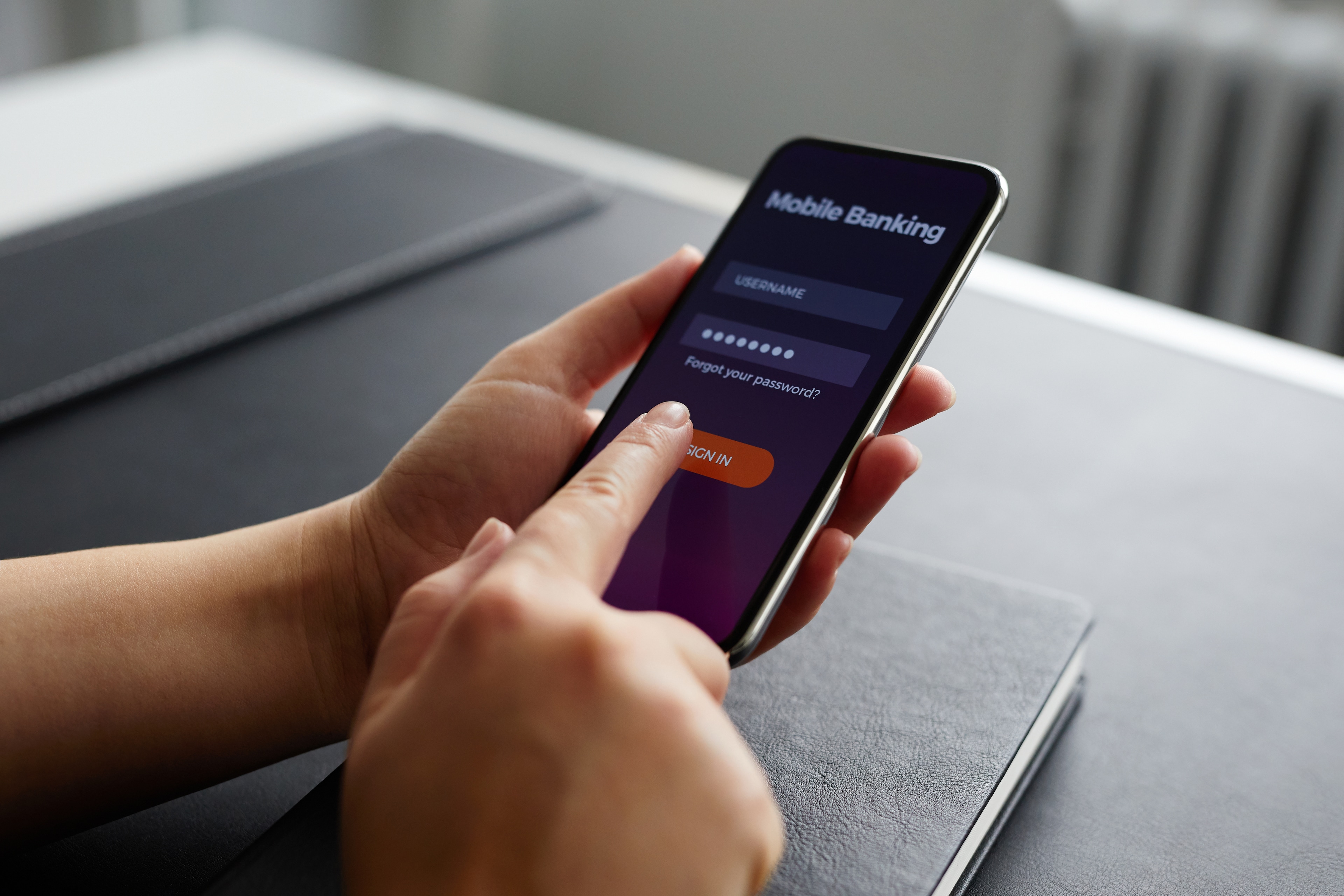
If you suspect fraud: What to do next
- Stop all communication immediately.
- Contact UCU using the official phone number, 800.UCU.4510.
- Change your online banking password right away.
- Report suspicious activity to the Federal Trade Commission (FTC) at ReportFraud.ftc.gov.
- Monitor your accounts for unauthorized transactions.
We're here to help
AI-driven fraud is becoming more sophisticated each year, but with awareness, caution, and support from our team, you can stay one step ahead. Whether you're building credit for the first time or safeguarding decades of savings, staying informed is your strongest defense.
If you have questions or need help protecting your accounts, the UCU team is here for you. If you have any questions, our team of certified experts are available for 1-on-1 financial wellness sessions here.
Leaving University Credit Union Website
University Credit Union offers membership to employees, students, alumni, and direct family of UCLA, Pepperdine University, Loyola Marymount University, Saint Mary's College, UC Davis, UC San Diego, Georgia Tech, Abilene Christian University, Mount St. Mary's University, Chabot College and Las Positas College, West Coast Conference Universities, Western Athletic Conference Universities, and other universities throughout California. UCU offers a variety of products and services including checking accounts, credit cards, home mortgages, auto loans, personal loans, commercial loans, insurance, investments, as well as digital banking. Click here for full eligibility and membership options.